Key Takeaways
Selling a home in Texas requires strict adherence to state standards to protect yourself and ensure a transparent transaction. Understanding your obligations makes the difference between a successful sale and legal liability. Whether you are pursuing a FSBO sale or a for sale by owner arrangement, you must navigate the same regulatory landscape.
The Texas Real Estate Commission regulates licensing and contract integrity for all real estate transactions.
Sellers must provide a formal disclosure notice documenting property condition unless a specific legal exemption applies.
Using authorized contract forms prevents misinterpretation and aligns your sale with standard state procedures.
Known property defects must be reported to avoid severe financial consequences under consumer protection laws.
Professional support for pricing and disclosures helps maintain compliance while giving you control over the transaction costs through options like a flat fee MLS service or fixed rate selling programs.
Understanding the Texas Real Estate Commission (TREC) for Home Sellers
The commission operates with a singular focus on maintaining a foundation of integrity for every property transfer. It ensures that the professionals you work with remain accountable and that the procedures followed align with established state law. By standardizing practices, the commission helps prevent chaos in the competitive housing scene.
Protecting Consumer Interests in Texas Real Estate
Welcome to the Texas Real Estate Commission serves as a regulatory buffer between industry participants and the general public. It works to ensure that those involved in the sale or management of property adhere to high ethical standards. This mission effectively fosters trust in the residential market by providing clear guidelines on professional conduct and consumer rights.
TREC Licensing Standards for Texas Real Estate Agents and Brokers
To operate legally in the state, brokers and agents must hold active licenses issued by the commission, which requires rigorous education and testing. Maintaining these licenses involves continuous adherence to professional codes of conduct throughout their careers. Sellers benefit by working with credentialed individuals who understand the nuances of the local regulations and can provide knowledgeable navigation of the sale.
How TREC Oversees Real Estate Brokerage Practices
Administrative oversight ensures that no single broker distorts market competition or engages in deceptive activities. The agency monitors brokerage records and mandates specific behavior to keep the playing field accessible for all parties. By doing so, they ensure that the standard of service provided to homeowners remains high across the state.
TREC Regulatory Authority Over Real Estate Contract Forms
Standardized paperwork is the backbone of consistent real estate legal protections. The agency mandates the use of specific forms to ensure that every participant understands their obligations and rights. This uniformity is a core pillar of fairness for both buyers and sellers involved in complex property transfers.
How TREC Forms and Disclosures Impact Your Texas Real Estate Transaction
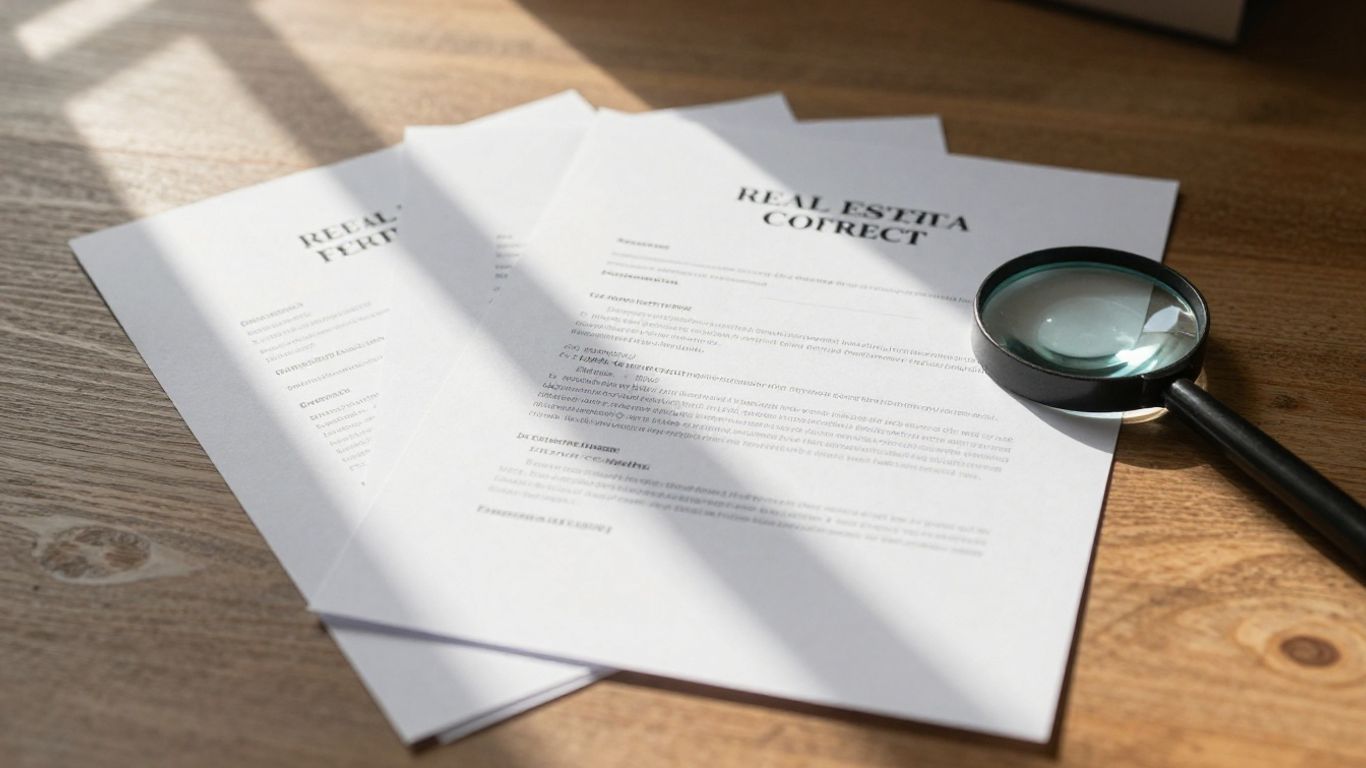
When you prepare to list your property, the documents you select determine how clearly your obligations are outlined. Using state-approved forms ensures that every aspect of the transaction follows the law and provides a consistent framework for buyers. These forms simplify negotiations by removing ambiguity from the process.
Understanding the Texas Seller's Disclosure Notice Requirements
This mandatory document requires you to provide an honest, detailed report about the history and current condition of your home. It covers essential areas like structural integrity and environmental hazards, ensuring that the buyer starts the relationship with full awareness. Accuracy here is vital, as it builds the baseline of trust required to close a deal.
Why Using Authorized TREC Contracts Simplifies Your Home Sale
Authorized forms are designed to handle every contingency without requiring a complete rewrite for each offer. They cover essential provisions like financing options, earnest money, and timelines in a manner already familiar to participants. This familiarity reduces legal friction and allows for quicker conclusions during busy market cycles.
How to Access Official TREC Real Estate Forms
Homeowners have direct access to these essential resources through Texas Real Estate Commission online portals. By utilizing these files, you ensure that the materials used are up-to-date and legally compliant. Relying on verified sources prevents the use of outdated protocols that could complicate your eventual closing.
Ensuring Real Estate Documentation Meets Texas State Standards
Compliance requires careful attention to the specific questions and terminology defined by state regulators. Taking the time to review these requirements helps you package your property correctly for the market. Proper documentation minimizes the risk of challenges from a buyer's lender or legal counsel later on.
Texas Real Estate Commission Compliance for Home Sellers
Meeting the requirements for a sale is more than a administrative task, as it is a critical legal obligation. When you disclose the condition of your home, you perform a task governed by strict state statutes meant to prevent fraud. Failing to adhere to these rules can leave a seller exposed to significant risks long after the keys change hands.
Mandatory Texas Residential Property Disclosure Requirements
Texas law mandates that sellers provide comprehensive information regarding their property's history and condition before completing a sale. This is not optional for most standard residential transactions, as the requirement ensures that buyers get a full picture of the asset they are acquiring. Below are the key structural components of this regulatory framework.
Type of Compliance | Authority | Key Objective |
|---|---|---|
Property Disclosure | Section 5.008 | Informed buying |
Licensing Oversight | Chapter 1101 | Professional conduct |
Contractual Standards | Rule §537 | Legal consistency |
Following these standards ensures that you maintain your legal standing. By documenting your home accurately, you protect your future from litigation risks associated with undisclosed or hidden problems during the inspection phase.
Understanding Your Legal Duty to Provide Seller Disclosures
Your obligation centers on providing truth to the best of your specific knowledge. This notice is not a warranty of performance, but a statement of what you have observed while living in the home. You have a duty to update this information if your knowledge of the property changes significantly between the time of listing and the final closing.
Legal Exceptions to Texas Seller Disclosure Rules
Certain transfers are exempt, such as those occurring within a family or as part of a probate process. If you qualify for an exemption, you are not legally required to provide the standard paperwork, though you still remain responsible for intentional misrepresentation. Sellers should verify their specific situation to see if they fall into one of the narrowly defined statutory categories.
Liability Risks for Neglecting TREC Disclosure Guidelines
Neglect in reporting known defects often leads to intense legal scrutiny or claims of deceptive trade practices. If a buyer discovers you knew about a broken foundation or recurring flood issue and hid it, the financial penalties can be severe. Adhering to the formal disclosure process is one of the best defenses against future litigation.
Navigating Real Estate Disputes and TREC Disclosures

Disputes often arise when there is a mismatch between a seller's perspective and the buyer's inspection results. Clarifying your position using Selling your Texas home strategies can help prevent misunderstandings during the option period. Proactive communication about property condition is the most effective tool to resolve these issues before they escalate to legal claims.
Avoiding Home Sale Misrepresentation Under Texas Law
Accurate representation of the home prevents you from being labeled as an unfair seller. Being clear about what you know—and what you have simply never tested or observed—keeps your claims within legal boundaries. Always prioritize transparency, even if the information seems like it might complicate a traditional sale.
Property Condition vs. Seller Knowledge in Texas Real Estate
It is essential to clarify that you are reporting on your knowledge, not necessarily the perfect mechanical function of every component in the house. You are not required to hire a professional to prove your claims, just to report exactly what you have witnessed. This distinction prevents the need for unnecessary expert assessments just to list your home.
Resolving Real Estate Disputes Through TREC Oversight
When a disagreement occurs, there are established protocols to resolve things without immediate litigation. Working through these common channels helps avoid the emotional and financial drain of a drawn-out conflict. Most experienced brokers recommend immediate, professional resolution to keep the pathway to closing clear.
The Consequences of Inaccurate Real Estate Defect Reporting
Knowledge is a heavy burden, and concealing it is a path to substantial financial liability. Lawsuits involving non-disclosure can lead to significant penalties, including triple damages for cases found to be fraudulent. Keeping your documentation honest protects your financial interests far better than any attempt to skirt the truth.
TREC Standards vs. Private Real Estate Association Guidelines
Private organizations often layer their own forms on top of state requirements, which can create confusion for owners. Distinguishing between state-published standards and private industry forms is essential for anyone Listing your house on the MLS by owner successfully. Knowing which form governs your transaction prevents costly administrative errors.
TREC Forms vs. Industry-Specific Real Estate Forms
State forms are created to provide a universal baseline that protects all consumers regardless of their location. Industry forms, however, may be designed to include additional nuances requested by specific professional groups or associations. These extra layers are meant to facilitate more specific negotiations but must always comply with state foundations.
Why Professional Real Estate Associations Require Extra Documentation
Many associations add specific items to their documents to mitigate unique local risks, such as regional climate concerns or environmental issues. These additions are designed to be more thorough, forcing a seller to provide documentation that might not be captured in the basic state templates. Here is how these requirements typically differ for a seller:
State forms establish the minimum mandatory requirements for an enforceable contract.
Industry-specific associations introduce extra check-boxes to address local housing habits.
Specialized forms often include clauses for regional property features like septics or wells.
Private templates require separate understanding beyond the commission's baseline regulations.
If you find your transaction governed by these specialized association forms, it is critical to address every detail carefully before signing. Your responsibility to provide accurate, comprehensive data remains consistent even when the paperwork appears more complex.
How Texas Real Estate Contract Obligations Vary by Market
Contractual expectations can range from the standard local procedures in Dallas to the unique environmental disclosures often seen in rural areas near Austin. Understanding these regional variations prevents you from accidentally omitting information that a local buyer would consider standard. Local brokers familiar with regional variations can help ensure your file is complete.
Choosing the Right Paperwork for Your Texas Property Sale
Choosing the correct form starts with identifying your property type, as a condo in Houston has significantly different requirements than a small ranch in the Hill Country. Ensuring the paperwork matches your home type is the first step in successful compliance. If you are unsure, verifying the appropriate forms with a professional will keep your sale on the right track.
How Waymark Uses TREC Standards to Streamline Your Home Sale
Waymark helps you handle the complexity of the Texas market by integrating state requirements into a guided, data-driven workflow. Whether you want to avoid the cost of traditional brokerage through FSBO or simply prefer the control of a for sale by owner model, Waymark provides the structure you need. Instead of leaving the burden entirely to you, the system automates the most difficult parts of the process, ensuring no detail is overlooked before the listing goes live. This fixed rate selling philosophy changes how sellers interact with state standards by making quality support accessible at a transparent cost, whether you need a flat fee MLS listing or full transaction support.
Integrating TREC Requirements With AI-Driven Workflows
By using Waymark Real Estate as your AI brokerage, you gain the benefit of a systematic, state-compliant process during every phase. Aria, our AI, organizes the 13 sections of the Texas Seller's Disclosure Notice and ensures all legal requirements are addressed using the appropriate industry-standard formats. This approach keeps your transaction centered on compliance without the manual headache usually involved in navigating these rules.
Affordable Compliance Without Traditional Real Estate Commissions
We believe you should not have to pay a percentage of your equity just to ensure your paperwork matches state and MLS requirements. By offering fixed rate selling plans like Launch for $699 and Manage for $1,199, we provide the transaction support usually reserved for full-service commissions. Whether you choose a simple flat fee MLS package or prefer a hands-on for sale by owner approach, our FSBO support tools ensure you satisfy every regulatory obligation while keeping more of your own equity where it belongs.
Reducing Legal Risk With Professional Real Estate Disclosure Templates
Our system walks sellers through the most vital parts of the disclosure form, helping you identify what needs to be reported clearly. By cross-referencing your input and guiding you through the items on form TXR-1406, we help you reduce the chances of accidental errors or omissions. This structured disclosure walkthrough is one of the best ways to hedge against the liability that non-compliance creates in the Texas market.
Balancing Professional Broker Support With TREC Mandates
While AI handles the high-volume structured work, Waymark Real Estate maintains the human expertise required for critical judgment calls. Licensed brokers review pricing, incoming offers, and closing documents, ensuring every move you make aligns with commission standards and best practices. This hybrid model keeps you fully supported at the moments where a steady, professional hand matters most.
Conclusion
Successfully selling your property involves more than putting up a sign; it requires a deep commitment to transparency and legal adherence that safeguards your equity. By honoring your obligations to the commission and using the correct documentation, you create a stable, honest exchange that attracts serious buyers. Whether you choose to handle the process yourself or use professional transaction support, keeping these regulatory basics in mind will lead you toward a finished, secure sale that protects your future.
Frequently Asked Questions
Do I need to be a broker to sell my own home in Texas?
No, you can sell your home without a license as a private owner, but you must still provide the required disclosures and adhere to state contract laws just like any professional would.
Is the seller's disclosure required if I am selling a home as-is?
Yes, an as-is sale does not exempt a seller from the statutory requirement to deliver a seller's disclosure notice to the buyer.
What happens if I make a mistake on my disclosure form?
If you discover an error, it is best to update the disclosure notice immediately and deliver the corrected information to the buyer to maintain transparency and reduce your potential liability.
Are there any states where disclosure rules are less strict than Texas?
Every state has its own specific set of disclosure laws and consumer protection regulations, but Texas law specifically emphasizes the seller's knowledge-based duty under the Property Code.
Can a buyer cancel the contract based on my disclosure?
Depending on the specific terms of the purchase contract and the findings within the disclosure, a buyer may have the right to terminate within the option period or if a material issue is discovered that was not previously addressed.
Where can I find the most recent version of commission-approved forms?
Official and current forms are available directly through the state's regulatory website or through a licensed real estate professional who has access to the most updated repositories.
Why is the sale price of a home considered private in Texas?
Texas is a non-disclosure state, meaning sale prices are not recorded in public tax rolls or county registers, making actual sold price data available only through the private MLS databases used by licensed pros.
Waymark Real Estate | TREC License 639078 | Brokered by Marelli Properties | waymarkre.com